n that changed the direction of your career?
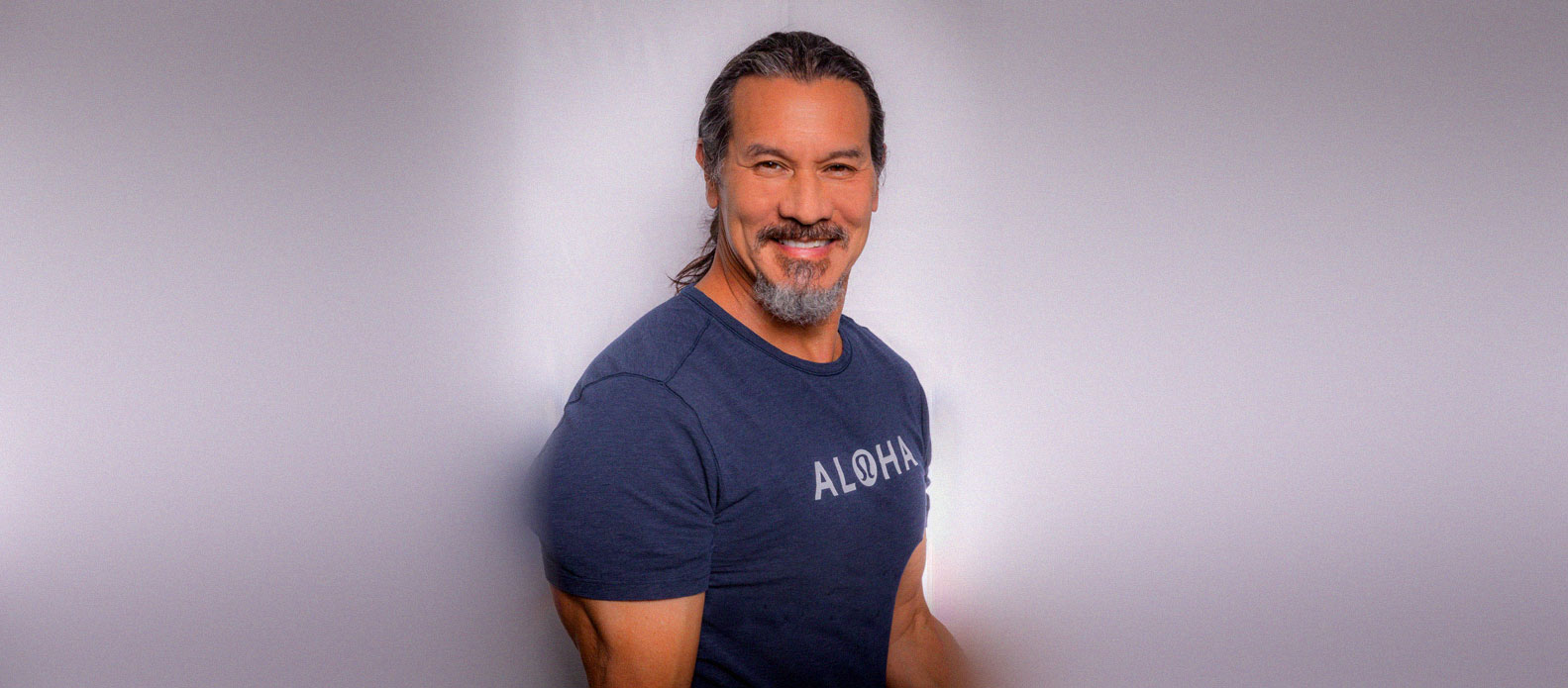
In 2020, I was happily running my advertising agency, something I had built and led for more than 25 years. Alongside that work, I had been teaching yoga twice a week for eight years and also published Hawaii Yoga Magazine, a local free publication distributed to yoga studios across the islands for five years.
Because of the magazine, I developed close relationships with many studio owners. In April 2020, at the very beginning of COVID, one of those owners called me. She wanted to sell her yoga studio.
At the time, it felt like the world had split into two camps: Those who believed the pandemic would be short-lived, and those who believed we were in it for the long haul. That moment became a crossroads for me, a decision point that would change the course of my career.
With four partners, I chose to move forward. In October 2020, while the entire island was essentially shut down, we opened Yoga Room Hawaii, unsure whether we were making the smartest decision of our lives or the dumbest.
Five years later, the answer is clear. Yoga Room Hawaii is a thriving community with over 800 members. It is where I teach yoga, facilitate breathwork classes, and do work that feels deeply aligned with who I am and how I want to serve others.
What’s a moment that reminded you why you love what you do?
I’ve been facilitating breathwork classes since 2021 and have led thousands of sessions. After each one, I invite people to share their experience. What’s powerful about breathwork is that it’s different for everyone, and different every time.
When I hear comments like, “I feel like I just had 10 years of therapy,” “That was the best experience of my life,” “I feel completely reset,” or “I now know what to do,” it’s impossible not to feel deep gratitude for this work.
It goes even deeper when people share beautiful breathwork journeys of meeting their younger/older self which increase their self-worth. Or forgiving someone for a long-held hurt to move forward feeling lighter, or reconnecting with an ancestor they miss dearly, flooding their heart with love that couldn’t have been touched consciously. Those moments still give me goosebumps and theirs so more. Each story reminds me why I do this and why I hope to keep sharing this gift for as long as I can.
Is there a secret formula for your success?
If there is one, the best way I can describe it is by merging two ideas: “Learn the rules, play by the rules, forget the rules,” and “There is always another way of knowing. Don’t get locked into just one way of knowing.”
Think of a chef (trained and experienced) combining two well-known ingredients that seem like they should never work together. With the right touch, a little heat, a sauté, or a whip, something unexpected and magnificent emerges. That’s how my creative process has always worked. For years, when I owned an advertising agency, I approached making marketing ads this way, blending ideas that didn’t obviously belong together and finding the harmony between them.
I bring that same approach to my breathwork classes. By weaving together different modalities, I create an experience that’s the standard model for breathwork yet distinct. That subtle uniqueness is what elevates the experience and makes it resonate more deeply.
But none of this can happen under stress. Creativity requires a different state of being. To think and process creatively, you need to be in an alpha or theta brainwave state, in the parasympathetic “rest and digest” mode. You can’t create from anxiety.
So take a walk. Meditate. Practice breathwork. Dance. These practices quiet the noise, open space, and allow something original to emerge.
How do you stay focused in a world full of distractions?
In Zen Buddhism there’s a saying: “Before enlightenment, chop wood, carry water. After enlightenment, chop wood, carry water.”
Whether we ever reach enlightenment or not, the message is clear to me: Life doesn’t change much on the outside. There will always be distractions, challenges, and dragons to face. What changes is what happens within. It’s choosing clarity over confusion. It’s no longer wishing you were somewhere else, but being fully here, in the present moment, doing the same tasks and movements with more mindful intention. From that inner shift, the outer course begins to change.
Here’s a simple practice: Be the slowest person in the room and watch what happens. Just changing your pace creates a domino effect in how you see, think, and respond. For me, slowing down reduces stress, keeps me grounded, and opens my eyes to things I would normally rush past.
How do you handle pressure when the stakes are high?
Most people breathe unconsciously at about 14–16 breaths per minute. Under stress, that rate can jump to around 21, and when we’re angry it can spike to 40. What many people don’t realize is that breathing works both ways.
By consciously slowing your breath, you can calm your nervous system. One of the simplest methods is heart coherence breathing: six breaths per minute, with a five-second inhale and a five-second exhale. This signals safety to the body and shifts you into a parasympathetic, calm state.
When the mind is calm, problem-solving becomes easier and decisions are clearer. Had I known this when I was younger, many high-pressure situations would have felt far more manageable.