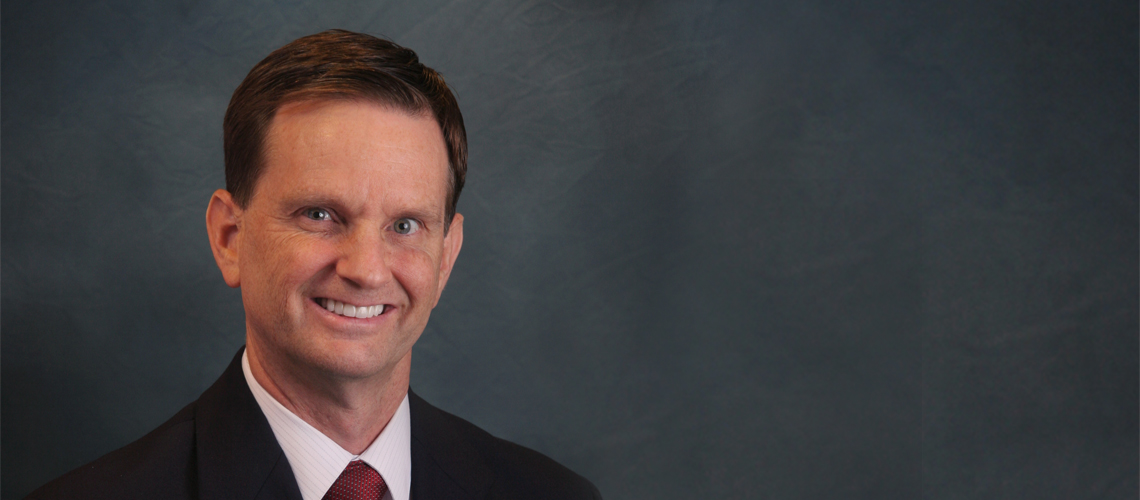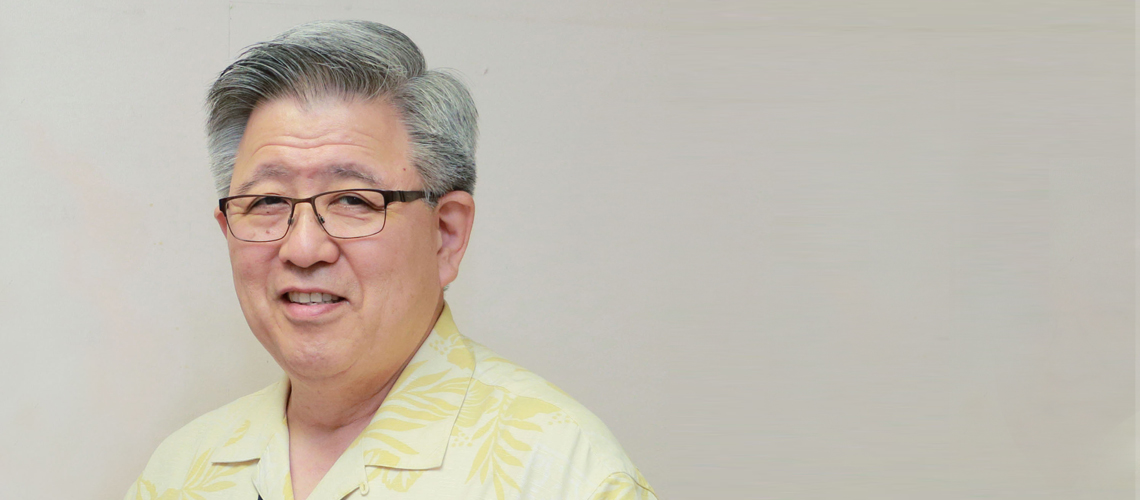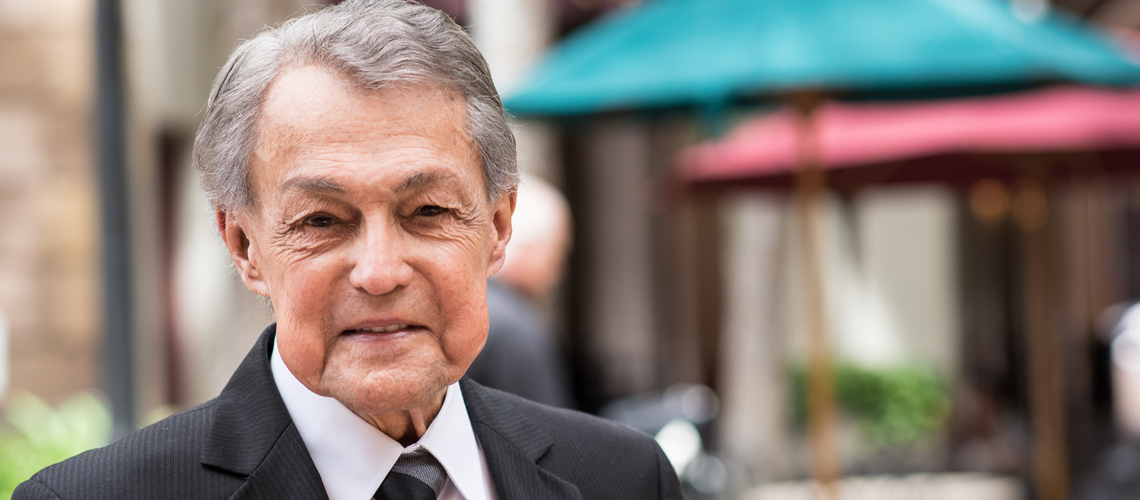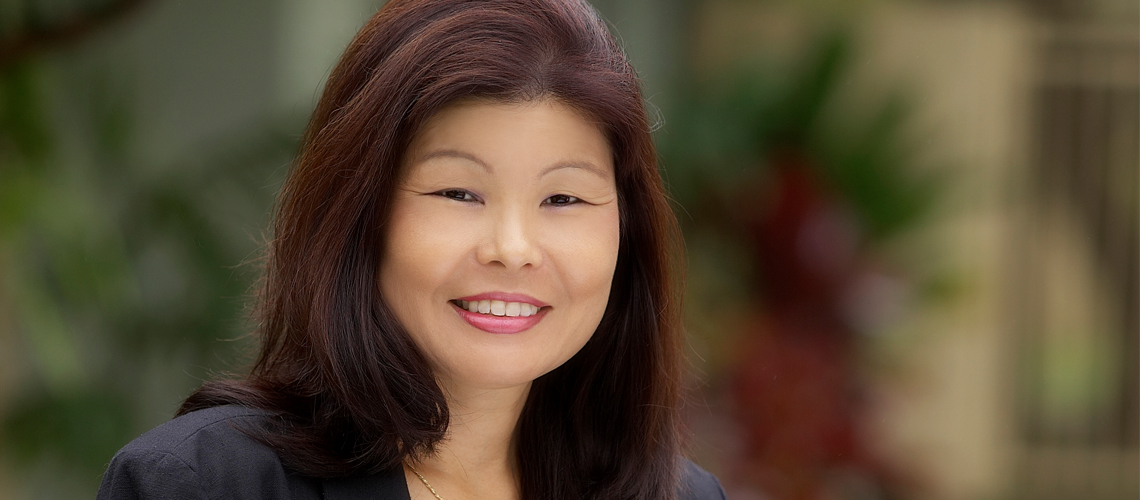
Associate Medical Director
Hawaii Permanente Medical Group


From the growing role of prevention to the increasingly complicated landscape of health insurance and compensation, local experts discuss some of today’s most pressing topics in health care.

Tell us about your career path.
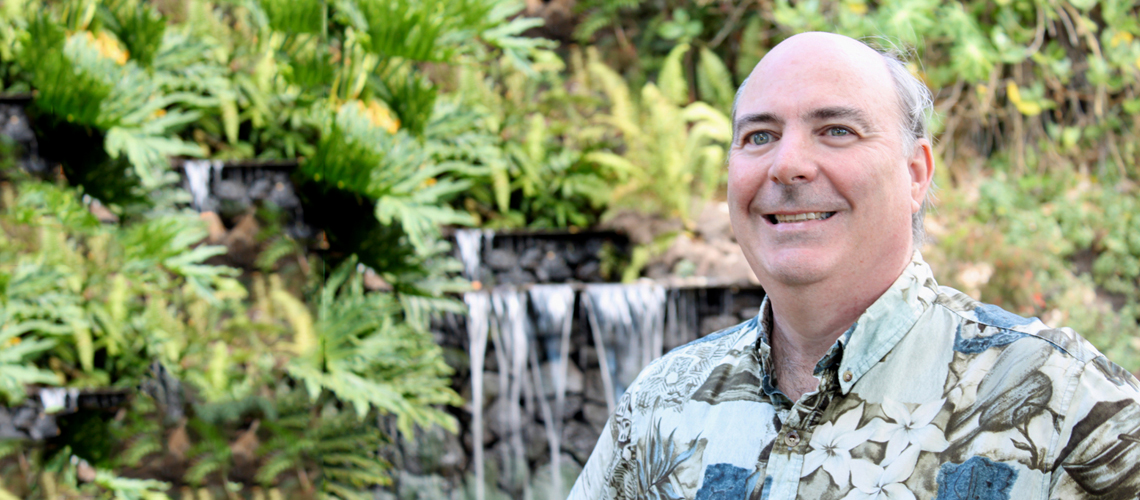
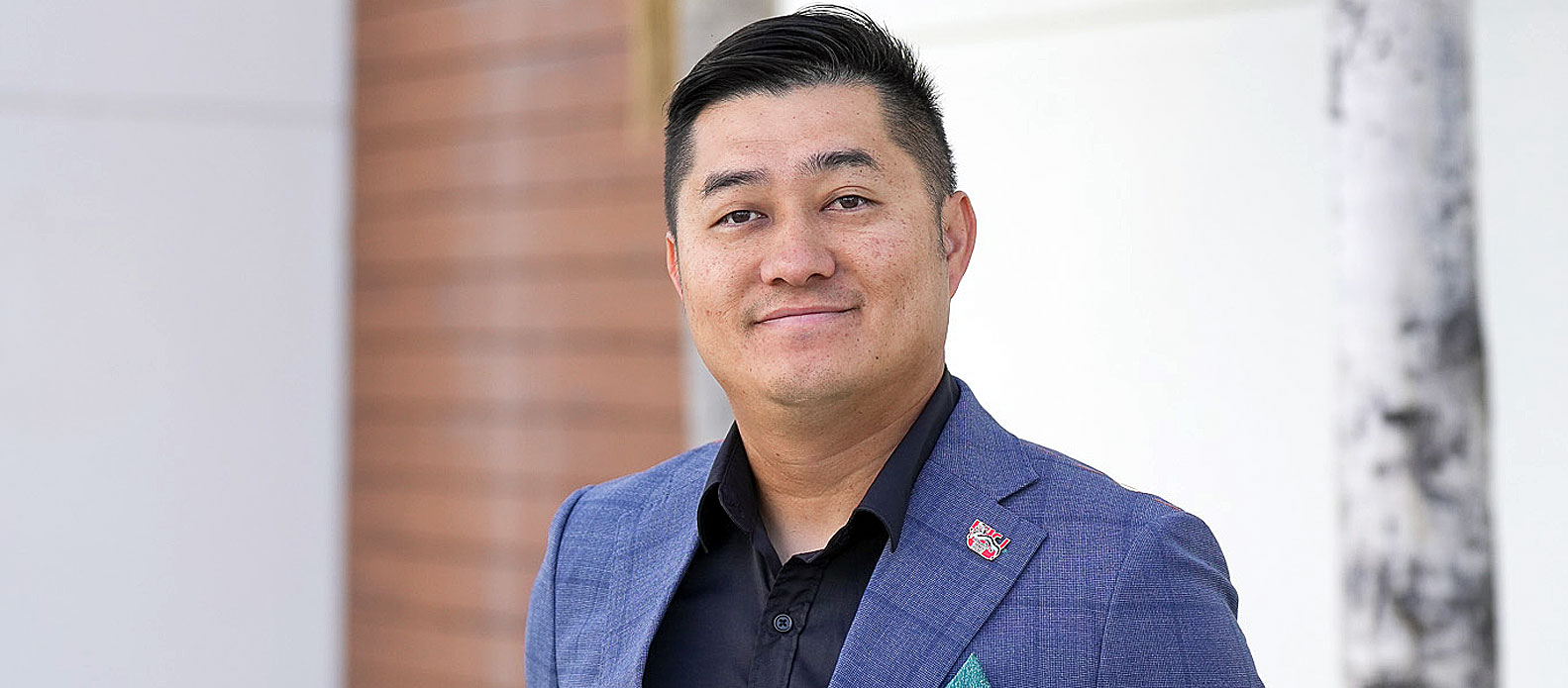
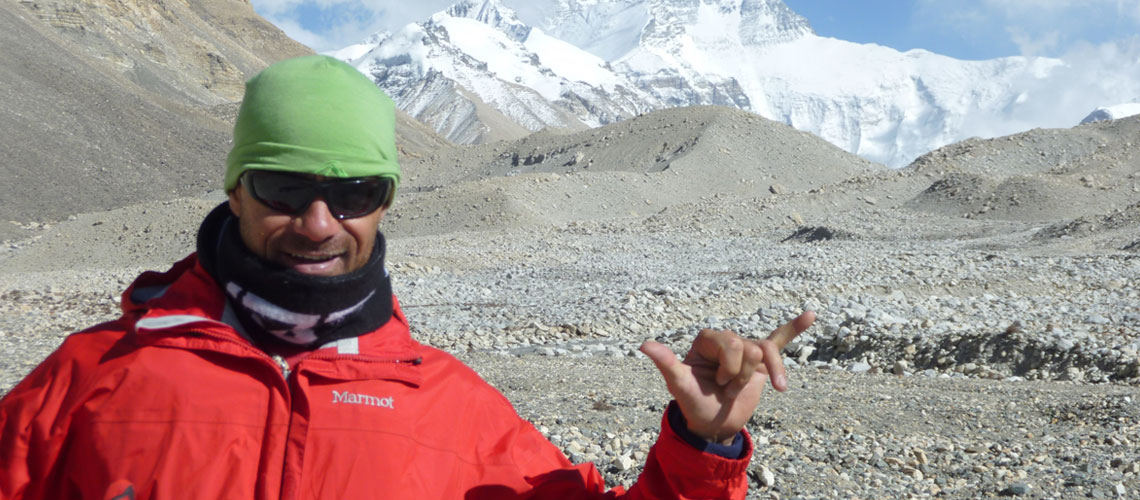
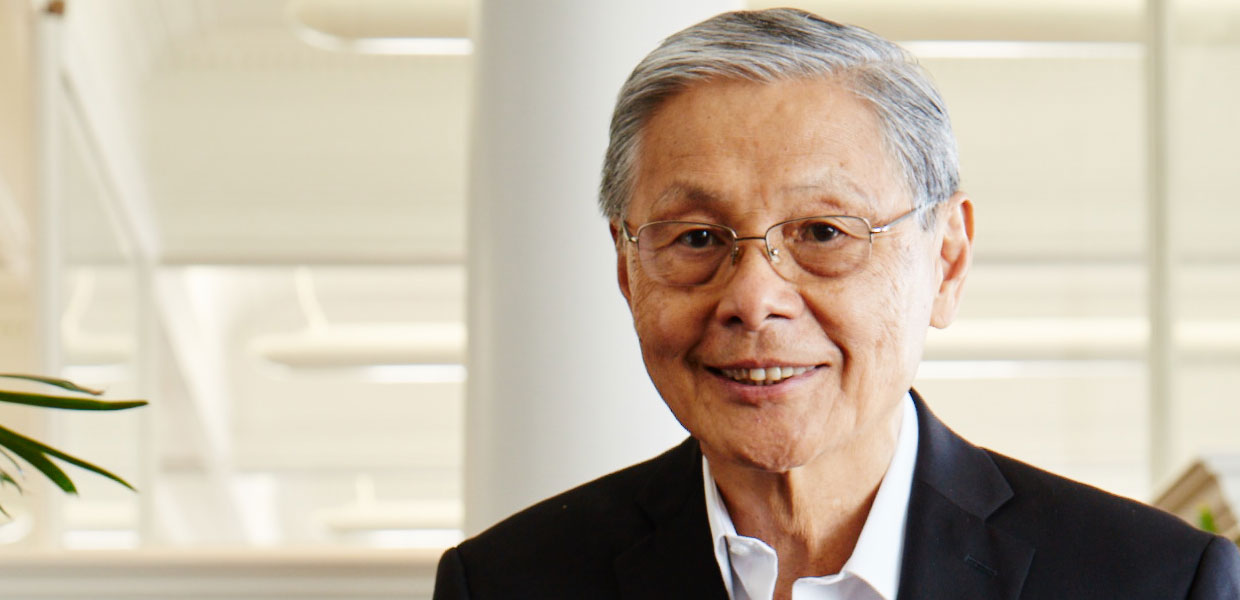
To start, I’m a failed architect. From junior high school all the way into college, Frank Lloyd Wright was my inspiration. But as soon as I got into college, I saw how my friends who had graduated years before me were [doing time as architecture] interns, and I thought that was junk.
So I went into tourism industry management and became a night auditor for the Outrigger. I loved it because I worked the graveyard shift, so I could grab my surfboard and go surf in the morning. We became one of the most efficient night auditors in town. We finished our work in half the time when it came time to balancing revenues.
Later I worked for a roofing contractor. I began to find that it used a lot of my skillsets because it was construction, programs, topography, engineering. I did that for about 14 years.
There came a point when the economy was turning down that the owner wanted to get out. I talked to other key people about buying out the company as part of an employee stock ownership plan, where the employees can buy out the employer. The owner got excited and said, “Let’s proceed.” But when it came time for the transition, the owner said he wasn’t leaving.
I tendered my resignation with no intention of resigning at a time when the economy was really bad. If you’re going to do something like that, you’re going to have things set up, a job set up, things planned out. But I thought it was really important that when the resignation period occurred, it was done with the right motive.
I think commitment, honesty and integrity are key to being successful in business, so I told him that I wouldn’t compete with him for one year if I ever got back into the roofing industry, even though I didn’t have a non-compete.
I started to look into different small businesses and migrated back to commercial roofing, but just repairs. Enough with working with hundreds of guys in the field. So I started to do that and it was really tough. I couldn’t go to any of the clients we had before. It was brand-new people.
Hawaiian Dredging called me up and told me they had been trying to find me. They had heard all the comments and criticism about the way I had left but didn’t believe it. I told them I couldn’t do the job they were offering because I didn’t have the funding or the equipment. They said they would take care of all the equipment, provide the funding and we would split the profits. I couldn’t believe it.
But then I remembered what I said about not competing with the other roofing contractor. When I told him I had to step away, he said, “What, you been drinking?” But I made a commitment.
Three weeks later I had another contractor that I knew from years ago contact me. He had a lot of money and was wondering what kind of company he could start. We talked and he said, “Great, here’s the check, you go ahead and start it. You can set it up however you want.”
But this guy was all about the money, and I know how that dictates the direction. Until that money is paid back, it’s going to be all about him and money. The small voice in me wondered how I could fulfill my purpose and destiny if I’m obligated to take care of the debtor. It was really tough, but I told him I had to step away.
So then I started a small little repair crew. Our warehouse was an eight-by-eight-by-seven storage unit and our fleet of vehicles was an old 1986 Toyota pickup and a Nissan that was about ready to fall apart. Whenever we did advertising, we’d superimpose the photo in front of a few big trucks behind us. That was our humble beginnings as Commercial Roofing.
As we moved into the last quarter of the year, I thought we were down, like, $600,000. We would have lost our house, the kids would have had to pull out of school. It was pretty traumatic at that period of time. It turns out we actually made it—made a little money—but there was some real soul searching that occurred.
The second year, we opened up a company in the Philippines, where we did engineering and consulting work for the military in Subic Bay. Then, when Honolulu Roofing went under, I picked up the name and held onto it until all the rubbish settled. I resurrected it because it had a lot of good work attached to the name.
Shortly after that, we started Allied Pacific Builders. We did a lot of building renovations with the military and the Navy. After that, things started to happen in Guam. We bought out the assets of another company and started up Allied Pacific Builders Guam to be able to tack on all the work with the movement of the Marines from Okinawa to Guam.
One of the reasons I wanted to make sure we had a presence in Guam is because Guam is a hub zone. In Hawai‘i, hub zone designation means you’re in a disadvantaged area with a certain number of disadvantaged employees. It’s a moving target here, but if you’re in a hub zone, you get to bid on a lot of set-aside work. By headquartering this company in Guam, everything we do in Hawai‘i is considered hub zone, so we don’t have to move around like a rabbit.
Shortly after that, we started Green Path Technologies because we were working with the office of labor research and the Marine Corps Experimentation Center. We did research and development in renewable energy. We did non-glass photovoltaic modules for military operations in conflict and High Availability Disaster Recovery, humanitarian assistance and disaster relief so you can charge phones and have energy and lighting in adverse conditions. Then we got into developing building-integrated photovoltaics, where the PV is a part of the roofing or building envelope.
When it comes to commercial properties, everything is based on valuation of the asset. That valuation is determined by income stream. What is the one floor that generates absolutely no income for your commercial building? The roof. And on a commercial building, what is the one losing opportunity? Your building envelope has a depreciation period of 37 and a half years, but your roof won’t last longer than 20 to 25 years. When you put PV on the roof, you can write that off in five years. Tax credits and subsidies allow the owner to take pre-tax dollar use of this benefit. Now the roof is generating income and adds to the valuation of that asset. The tax credit and subsidies made a good marriage between roofing and PV. We were already doing non-glass laminates when the PV revolution came into play. We thought, “Wow, this is perfect, we’re already doing roofing.” That’s where the commercial brokerage company came in—we started Pacific Properties Group to do commercial brokerage, property management, real estate and leasing.
We also buy kilowatt-hours and actually do the engineering, procurement and contracting of PV systems. We’re also investors. We’ll put PV on nonprofits—they pay no money, but we generate income from them. It’s a win-win-win. They get a discounted energy rate that’s far cheaper than what they have to pay currently, and we have an income stream for a set period. It’s almost like a mortgage. That’s another form of business that we do through Green Path Technologies.
Within some of the companies, we are moving into areas of specificity. At Green Path, we’re moving into thermodynamics and air conditioning. We introduced technology where you harvest the power of the sun directly in the air conditioner. That way, you don’t need utility approval and you still get tax credits. By putting a solar-powered air conditioner in place of the one you’re using, you’re giving yourself additional capacity on your original net energy metering contract for all your energy consumption. If you want to add an electric car, you can run this system outside of that. And the utility endorses it. We also introduced solar PV as part of the heat-abatement effort at local schools. During the day when school is going on, power is sent to the air conditioners directly, without going back to the grid.
It’s been a journey of 23 years. I would never have imagined we would get to where we are today. We’re in China, where some of these technologies are patented. We just came back from Vietnam, and we have different technologies in the Philippines—composite building systems in some of the high rises. And on the roofing side, we’re moving into a lot of different technologies as well. We actually introduced a product from Israel, a water-based urethane. It’s non-toxic, and you don’t need protective equipment to apply it. It’s simple to apply, with a high resilience and high solar reflectance.
There are technologies even in the old technologies of roofing, it’s just being aware of all the data points on the horizon. You can do the things you do normally, or you can try to improve it. It’s thinking outside the box and getting your people to step into that type of thinking.
So all the companies we set up, I frame it so they’re aligned with the core values of what we believe. A lot of what I have today is because of honesty, integrity and commitment from the old days.
What advice do you have for young professionals?
When you’re young and you start a business, if you’re not really clear on where you want to be and who you are, life has so many distractions that can take you off course. Know who you are. Know your purpose. Know your destiny. Know when you succeed and know absolutely when you fail. Then you’re not a failure. It’s just a step in the process to fulfill that purpose and destiny in your life. Unfortunately, time passes quickly.
What is the motivation to find business opportunities overseas?
A lot of times, when you start a business or capitalize on an opportunity, you look at the things right in front of your face. But you really have to look at history and trends. You have to pull from your experiences and yield to your integrity, honesty, commitment and determination. You have to have the foresight not just to stick it out, but to understand what is happening and why.
One thing that always works is in times of feast, plan for times of famine. And in times of famine, plan for times of feast. A lot of times in that famine period, people just hunker down. But if you’re smart, that famine period is the time when you start spending money to build. When things are going good, start putting resources on the side. When the famine comes, you’re able to maintain your current infrastructure and talent to weather the tough times. When the cycle picks up again, you’re ready to rock and roll. You don’t want cut people, you want to retain them so that they feel safe. From a company standpoint, you’re already positioning yourself for the next road. That same thing happens globally.
What is your role on the Hawai‘i State Contractors License Board and what other types of community service do you participate in?
For eight years I served on the Hawai‘i State Contractor’s License Board, and I was the chairman for the last four. It’s a lot of commitment, but it was very exciting because it gave me an eye into my industry. It gave me very good perspective, looking at it from the standpoint of the public at large.
I’m also on the advisory board for the Salvation Army, the Friends of Hawaii Charities for the Sony Open and the Hawaii Children’s Discovery Center board. I’m currently working with the Salvation Army to do a school supply drive. We’re going to get a lot of our company, affiliate companies and vendors to pick up school supplies for kids at disadvantaged schools.

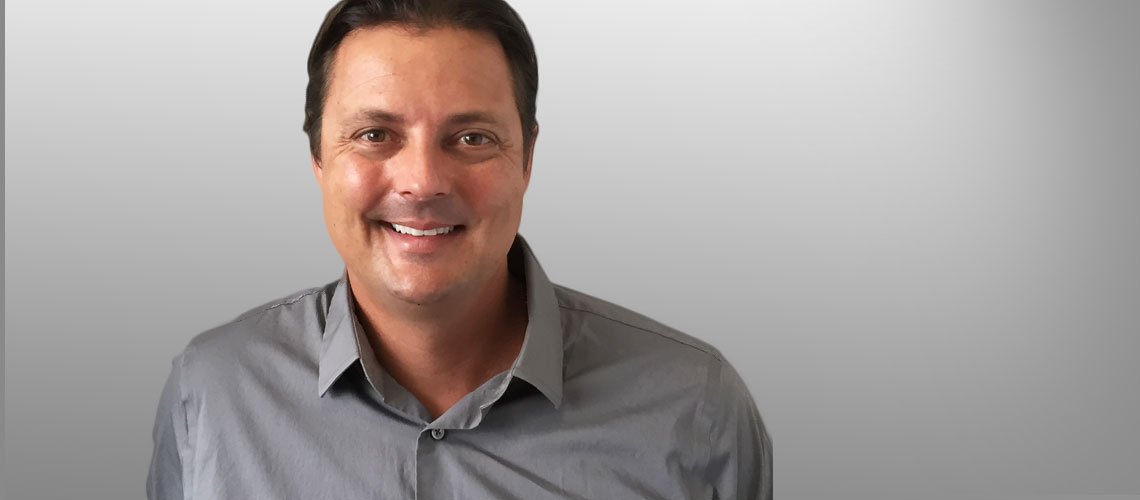
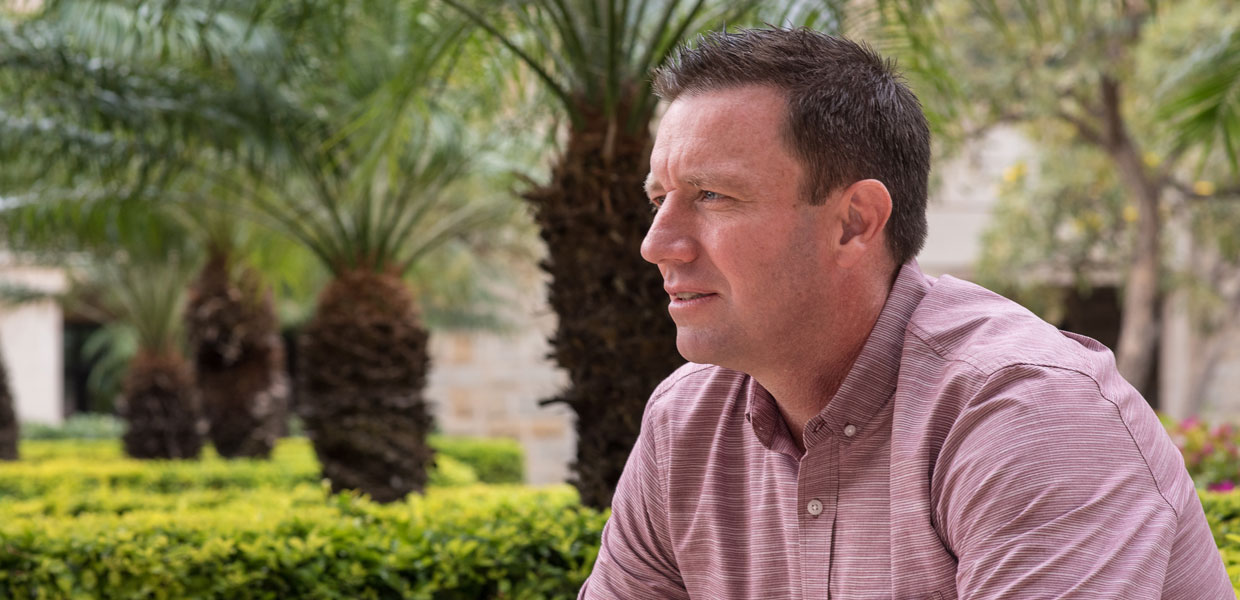
Ryan Kalei Tsuji’s job was to tell Hawai‘i’s stories as they unfolded. From covering a fire on the North Shore to swimming in a shark cage on live television, Tsuji got to know his home and the people in it like never before. He took pride in getting out of bed before the sun came up to keep locals plugged in to the best and worst that every day had to offer.
Tsuji’s road to on-camera news started during his time at the
University of Hawai‘i at M a–noa, where he parlayed his love of sports into a student manager position for the Rainbow Wahine volleyball team and then to an assistant coaching job. After earning degrees in communications and political science and a master’s degree in public administration, Tsuji was the perfect candidate for color commentating at Wahine games. He became a sports reporter for Hawaii News Now, then secured a coveted morning news anchor/reporter spot at KITV, where he discovered just how much influence great video could have.
But television didn’t occupy him for long. In 2014, Tsuji made a bold career shift into politics, following in his dad’s footsteps, and was asked to help run Senator David Ige’s campaign for governor. After the election, he stayed on to handle Ige’s external affairs, accompanying the governor to events, writing copy points, spearheading public relations efforts and managing relations with Washington, D.C. and internationally.
Politics didn’t tie Tsuji down, either. That urge to return to storytelling became undeniable. “I began to think of ways to combine what I was learning in the governor’s office with my experience in front of the camera, and I realized there were a lot of organizations looking for their stories to be told,” he says. “It was a really tough decision, giving up that relationship to take a risk for something no one else is doing.”
In March of 2016, Tsuji launched RKT Media to help companies and nonprofits dramatically increase their exposure in both news media and social media. He assembled a team of professionals and scheduled 10 sales meetings a week to educate contacts on the company’s unique niche. A few big-name clients early on helped the business take shape, and today RKT Media creates digital content for 62 businesses, including Hawai‘i Pacific Health, Starwood Hotels and Resorts and Bank of Hawaii. The company’s crew of eight reporters and five videographers covers events, sends out video news release content to media outlets and produces two- to three-minute video narratives that clients can use on social media and other digital media platforms.
RKT Media fills the gap in conventional media by allowing smaller stories a chance to get air time. “We’re all former news reporters and anchors who understand how to get a story done, how to do it quickly and also condense it in a way that’s tangible for this digital age,” Tsuji says. “We bring that narrative voice—that reporter style mentality—and present it in a way that’s appealing to this generation and audience.”
Tsuji’s success is born of his commitment to stay on top of what’s happening in the media and digital landscape—like adding Facebook Live reporting to the company’s list of services. “People aren’t waiting until 5 o’clock to see what the headlines are,” he says. “If you present it in a compelling way and put it online, that’s what’s going to attract attention and exposure to your product or service.”
Another key factor in RKT Media’s growth is Tsuji’s ability to empower his team. “As entrepreneurs, we are putting our blood, sweat and tears on the line and it can be difficult to let go,” he says. “One of the most important things I’ve had to learn is just being able to trust the people you’ve brought into your circle and allow them the freedom to do what they do best.” Losing his father, Hawai‘i Island Representative Clift Tsuji, last November was a big setback for Tsuji, but the way his staff rallied to help the company soldier on solidified the true value of hiring incredible people. “We had all these shoots lined up,” Tsuji says. “It was a tough few months to get through and our team really stepped up. They were able to steer the ship for me for those few months while I was sidelined.”
Tsuji’s goal with RKT Media is to become the go-to name for digital storytelling and exposure on social media, news and digital platforms in the islands. Every day, he’s brainstorming creative ways to get people to interact with their clients’ brands and share stories on their own platform—like the hula flash mob the company organized at JFK International Airport to celebrate Hawaiian Airlines’ five years of service to New York, or the social media campaign with Make-a-Wish Hawai‘i that raised $9,000 by attaching a dollar value to likes on social media. “We’re seeing an evolution in how stories are told, and they’re 100 percent interactive now,” Tsuji says. “It’s a complete shift in advertising mentality. You’re not investing money in ad buys and commercial time, you’re investing money in the experience.”
Some might say Tsuji left opportunity on the table when he walked away from a rising career in politics, but he can’t imagine it any other way. “Once you become a reporter, it’s in your DNA,” he says. “Being able to tell stories in a visual manner, it’s really exciting. And there are so many great stories out there from companies that are doing great things in our community. If we can play a small part and bring life to those stories, that’s what continues to motivate me.”

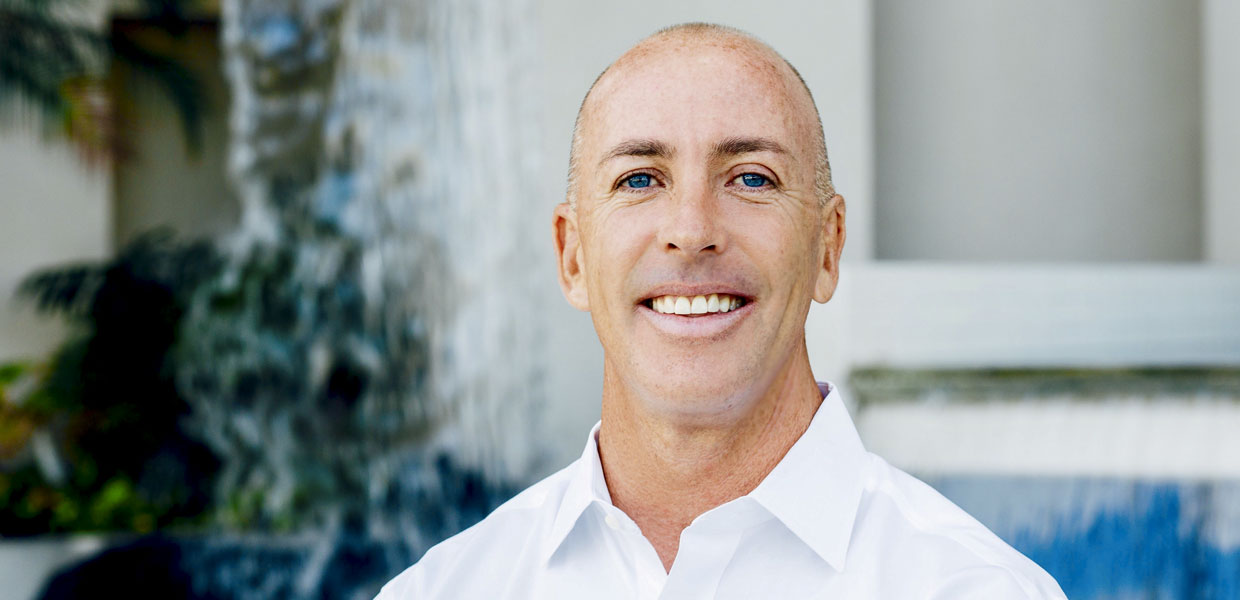
From a young age, Shane Davies took a liking to all things physically challenging—surfing, fishing, skateboarding and hunting in his native Kaua‘i. Right out of high school he joined the Marine Corps and traveled the world, then found a calling in the health industry after settling in to civilian life on O‘ahu. Today Coach Shane is the proud owner of Kahala CrossFit, a lifestyle hub that’s a far cry from your typical fitness center.
He first started reading about the CrossFit movement—the branded fitness regimen created by Greg Glassman—in 2012 in hopes of resolving the bad-posture habits he acquired through years of high-impact activities. CrossFit’s emphasis on self-awareness and functionality was a welcome relief for Coach Shane, especially after he was diagnosed with spinal degeneration, likely the result of surfing accidents and practicing aggressive sports like jiu-jitsu. He knew without a doubt that he had found his calling and started on the path to opening his own center. “CrossFit incorporates movements we did in the Marine Corps and techniques from around the world and enhances every type of activity imaginable,” Coach Shane says.
He describes Kahala CrossFit as a Disneyland for adults, where strategic movement nourishes the body and laughter feeds the soul. Results are measured in mobility, endurance and self-improvement, not aesthetics, and safety is of utmost priority. “The exercises that physical therapists do after injury, we do these things now so you don’t get hurt,” Coach Shane says. “The coaches become mirrors, critiquing factors like form, grip and posture, but we also make it fun.”
He credits the success of Kahala CrossFit to the four coaches he handpicked, all leaders in sports and fitness with amazing stories of their own about their journeys to wellness. The coaches include a pro surfer who oversees a youth surf team and a former teacher who brought lacrosse to the islands.
With the goal of empowering people, Kahala CrossFit takes a holistic approach to improving its members’ lives, from developing positive self-image to practicing respect for the environment through volunteer trips working in the kalo fields. The business practically runs itself, Coach Shane says, because everyone in his Kahala CrossFit ‘ohana takes care of each other like a team.
Kahala CrossFit offers six CrossFit classes a day during the week, plus a fat-burning strength class, CrossFit Kids sessions and KAIWOD, a swim and CrossFit workout held at Kaimana Beach. It also offers a six-week, one-on-one REVIVE program focusing on universal movements, nutrition and health psychology principles to improve endurance, energy and even libido. “It’s really just brain health,” Coach Shane says. “The targeted movements of CrossFit stimulate growth hormones to build muscle and feel good. You’ll sleep better and have a better state of mind all day.”
CrossFit is unique in that it’s backed by cutting-edge body mechanics research from around the world and regular input from local doctors and physiotherapists. “Society tends to dumb down fitness in America to pills, machines and pictures of how we should look,” Coach Shane says. “But here, we train for longevity, with the goal that you’ll be able to walk when you’re 100 years old. You should see our 68-year-old member who can climb a 15-foot rope!”
From college football players to soccer moms, doctors and CEOs, workouts are designed to get anyone in shape, no matter their current fitness level. “We’re not the die-hard, elite CrossFit team,” Coach Shane says. “Our demographic is people who have to work all day and have families. They can’t afford to be injured or spend four hours in the gym.”
Looking forward, Coach Shane is excited to add jiu-jitsu classes to the lineup along with a variety of specialty disciplines like biathlon training and Olympic lifting. He plans on opening a clinical psychology practice with his wife, Dr. Mimi Andjelic, to offer a combination of psychology and physiology services. He’s also brainstorming a legacy project to develop programs for at-risk youth in Hawai‘i, starting in the schools and expanding to safe houses for mistreated children. “It’s my vision to create a legacy for my children, to show them life is not all about self, but about serving others,” he says.
Losing his father too early inspired Coach Shane to set an example for his children, and CrossFit has proven to be the perfect outlet. Too often he sees people so focused on outward success that they forget to pay attention to their own health. “I want to share what I know and give others the tools to help themselves,” Coach Shane says. “Today when I get thank-you letters from my clients saying, ‘You changed my life,’ it’s just priceless.”


Ethereal sundresses, embellished bomber jackets and breezy, on-trend wrap dresses pack the racks at POSH’d boutique like a well-stuffed closet from a modern gal’s dreams. Amid displays of glitzy statement baubles, stylish coffee table books and cheeky stationery, owner Valerie Joseph is looking chic as can be in her many roles as buyer, sales manager and everything in between, greeting shoppers and eagerly running ball-gown skirts and crystal-studded crop tops to a customer in the dressing room. It’s prom season, and the customer in question is looking for an ensemble that will blow her besties away.
She came to the right place. Before long, the prom-goer is sent on her way clutching a dramatic cerulean two-piece number and beaming from ear to ear.
Joseph’s aggressive, people-oriented approach and unique combination of passion, talent and trendspotting abilities have set her brand apart from the many cookie-cutter shops out there. That and her solid decade of experience in the industry doing everything from merchandising to sales to management.
Her affinity for fashion started young. “I used to make my own clothes,” Joseph says, reminiscing about past creations made of paper and Scotch tape. “I would not do my homework at night and stay up to make a new outfit to wear to school the next day because I didn’t want to wear what everyone else was wearing.”
After high school, she dove into the retail business, starting at a boutique in Ala Moana Center and moving from company to company over the next decade. After her employer went out of business, Joseph found herself at a crossroads. She had an unlikely “aha” moment while interviewing for a prestigious, well-paying position at a big company. For Joseph, it was a wake-up call and a chance to make a decision: keep doing what she’s always done or take a leap of faith and jump-start her own passion project. She called her husband after the interview and told him, “We’re opening a boutique.”
She never once looked back. “I’d found what I wanted,” Joseph says. “I was so passionate about creating my own, where I could really deliver something different to the marketplace.”
Joseph already knew how to buy, how to build out a space and how to manage a business. From there it was about pure motivation and dedication, and she had that in spades. She planned her first buying trips by day and doodled store layouts on dinner napkins by night. Her husband, a fellow business owner, brought in his expertise and found the venue, allowing Joseph to truly let her creative juices flow.
In the decade since, the store has snagged numerous “best of” mentions in local magazines, moved to a bigger space and joined the coveted lineup at Ala Moana Center. But Joseph was getting antsy. It was time for something new, something for the modern, career-oriented woman who appreciates good style and good taste. Enter POSH’d.
People are still at the core of her business. This, of course, starts with a well-curated team but ultimately revolves around the customer and the community. “I love working with customers,” Joseph says. “I love the energy when I feel we can create together, and it’s so satisfying to me when I can transform them into something that makes them feel good and look good.”
Joseph relies on a tried-and-true formula she calls “the science” to help her do that. It’s her rule of thumb for finding the silhouette and color family that will help a women look her best. Joseph isn’t looking to mold women into a carbon copy of the latest trends. She wants to celebrate what drives her customer on the inside and enhance her best features, regardless of age, body shape or style. It takes work, patience and dedication, but it’s been absolutely key to the POSH’d model since day one.
“I thought that, number one, we needed to make sure we treat everyone like we are their personal shopper,” Joseph says, citing high-end retail stores such as Neiman Marcus as her inspiration. For Joseph, bringing that luxurious experience to every woman just made sense. “Normally, you need to have a lot of money to get a personal shopper,” Joseph says. “I didn’t understand that. That’s something I want to make sure we maintain and really push hard in our boutique—our service.”
For Joseph, service goes far beyond the cash wrap. Not only does Joseph lead branding workshops for fellow entrepreneurs and provide internships for eager high school or college students, she also hosts Fresh, an annual fashion event that raises funds for community organizations like Community Helping Schools.
“Because I’m a product of public school and never went to college, I feel it’s really important to give back to the community,” Joseph says. “Growing up, I felt I had to really prove my worth. I could feel that struggle. I want to make sure that in everything we do at the boutique, we are always working with the community and thinking how we can support it.”

Between overseeing the largest wish-granting Make-A-Wish chapter in the country, helping run her family’s cattle ranch and raising two teenagers, Siana Austin Hunt should be three people. But she’s got a secret to successful multitasking: good old-fashioned grit. A fifth-generation local girl raised on Moloka‘i, Hunt was helping her dad on the ranch from the time she could lift a shovel. After her parents made Honolulu their primary residence, she was split between two worlds—attending Punahou in the big city during the week and spending weekends working on fence line or mucking horse stalls at Kapualei Ranch. “When you think you’re having a tough day, you can get out there and work with your hands and really experience what tough means,” Hunt says.
After graduating from Pepperdine University with an elementary education degree, Hunt began a teaching career in California’s Bay Area before moving back home with her husband and teaching at her alma mater. When her children were born, she decided to be a stay-at-home mom and, in the family tradition, devote her time to the historic preservation side of the nonprofit sector through fundraising and event planning. But Hunt found her higher purpose when she got a call from an organization known for granting wishes to children with life-threatening illnesses. They were looking for new leadership and a new direction. “I told them, ‘Honestly, I don’t know a thing about Make-A-Wish Hawaii,’ to which they replied, ‘That’s our challenge,’” Hunt says. “They were doing good things, but just didn’t have a very visible footprint in the community. I saw so much opportunity to help change that.”
Her goals were clear from day one: grow local exposure and build capacity to make more wishes come true. Her strategy was to treat the nonprofit like an entrepreneurial startup. “We took a 30-year-old organization and turned it on its ear,” Hunt says. “The systems and infrastructure in place had to be completely upended.” And it worked. In her five years as president and CEO, she’s grown Make-A-Wish Hawaii’s staff from three to 30, its operating budget from $700,000 to $4.5 million and its wish-granting capacity from 35 to 100 local children. Today, the Make-A-Wish Hawaii team and 800 volunteers also help fulfill wishes for 1,200 out-of-state children through the organization’s Wish Assist program, in which they work with mainland chapters to customize wishes that involve traveling to Hawai‘i’—the second-most popular request among Make-A-Wish chapters across the country.
Since Make-A-Wish Hawaii is 100 percent privately funded, Hunt is tasked with growing local donor relationships, recruiting sponsors and planning fundraising events. Last year alone, she worked with the hospitality industry to secure $15 million in donated goods and services. But her favorite part of the job is seeing the impact of wish fulfillment up close. On any given day, she’s sitting in on wish-granting committee meetings, visiting families in their homes or hospitals, or speaking with doctors about the best timing for making wishes come true. With wishes that range from becoming a volcanologist to surfing with Bethany Hamilton, Hunt is granting wishes left and right with help from a community guided by the aloha spirit. “Behind every door is the satisfaction of making a wish happen, and that’s a powerful motivator,” Hunt says. “All we have to do is say, ‘Let me tell you about this child,’ and our community comes out in droves. It’s really magical.”
Hunt is a big believer in using a group mindset to achieve goals, and all ideas are welcome. “I loved to do puzzles as a kid,” Hunt says. “I think that’s all I’m doing now, finding pieces of the community to fit [together].” Right now her team is engineering a backyard waterpark for a little boy with brittle bone disease on the Big Island. “It takes an entire community to answer these calls,” Hunt continues. “I don’t know how to build a radio-controlled car track or how to create the perfect fairy tale with an entire cast of storytellers and princesses—but let me learn about it and talk to people who do.”
A lot of the decisions Hunt makes today serve the bigger goal of building a sustainable future for Make-A-Wish Hawaii. That means supporting its explosive growth by backfilling the organization so it can maintain capacity over the long term. One avenue to sustainability is engaging the next generation in giving back. In 2015, Hunt launched a board of 25 young professionals who fundraise and serve as brand ambassadors, putting them in a prime position for impacting the community. “Our hope is that they fall in love with our mission and learn to become the board of directors of tomorrow, whether it’s with Make-A-Wish or another nonprofit,” Hunt says. “If we can give people an experience to serve in a nonprofit, we are doing the community a great service.”
Balancing her professional role with humble ranch work with her family, it’s not uncommon for Hunt to board a plane bound for Moloka‘i on a Friday wearing high heels and slipping into jeans and boots as soon as she lands. Hunt says her greatest calling is making sure her kids live out their role as stewards of Hawai‘i’s communities. “I hope they recognize that this place has been transformational in who they are and see they have a responsibility to give back,” Hunt says. “They’ve gotten to see all of my bumps and bruises of leadership along the way and the immense rewards that came with them. I want them to know that they have a mom who didn’t shy away from anything.”

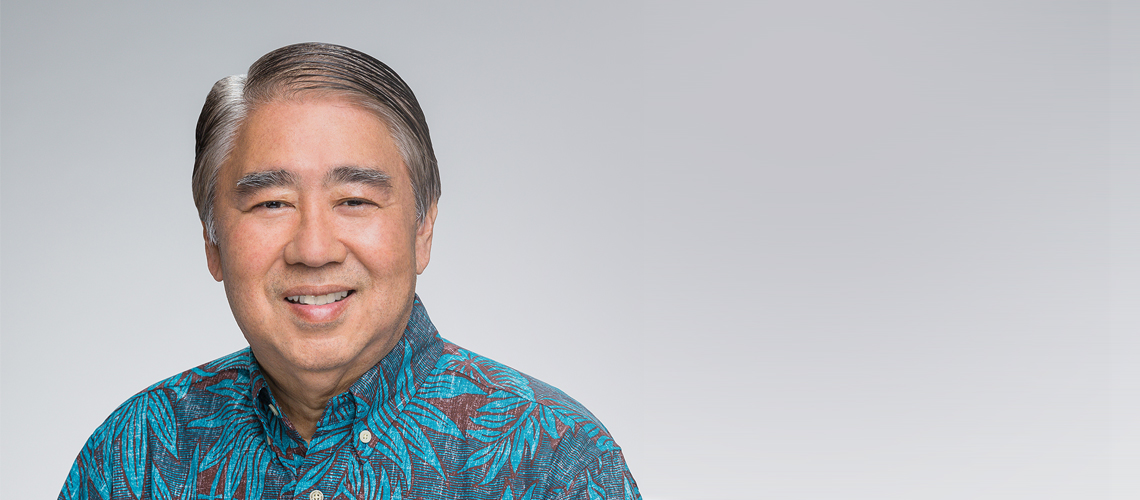
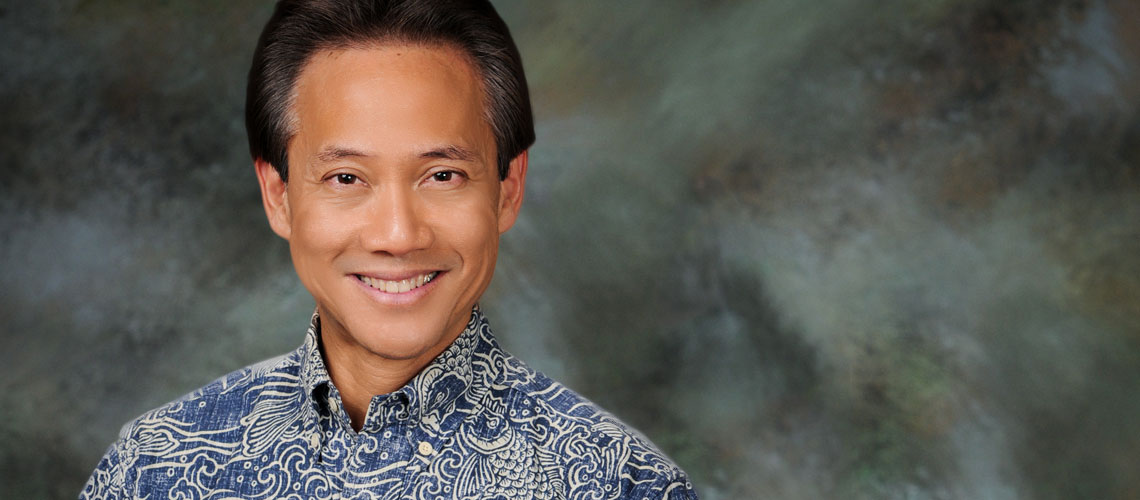
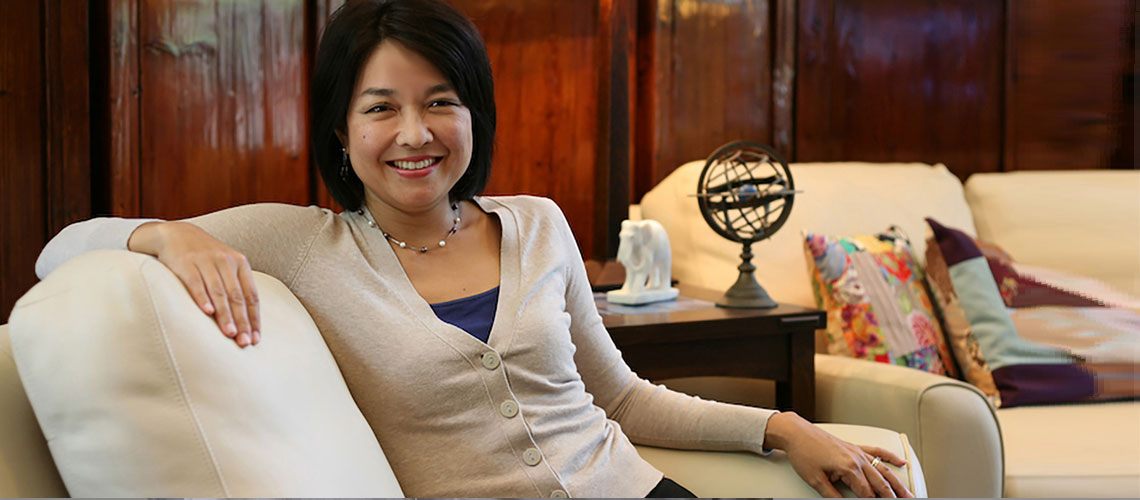
Not all business decisions are made on the golf course. Catherine Ngo, president and CEO of Central Pacific Bank, prefers a stand-up paddle session at Ala Moana Beach Park to center the body and focus the mind. From executive vice president and general counsel of Silicon Valley Bank in California, to founding general partner of Startup Capital Ventures in Hawai‘i, to her current leadership position at Central Pacific Bank, Ngo has gained invaluable experience across many facets of the financial sector. As Central Pacific Bank climbed to the fourth highest market share in Hawai‘i in 2016, Ngo is quick to point out that the size of the institution is not the focus. Success is measured through customer relationships, nurturing employees, supporting the community and exceeding expectations.
Have you simply taken advantage of opportunity as it presented itself to you, or did you set a goal to become a CEO?
Yes and no. It was not that I set my eyes on the role of CEO, but that I have always gravitated towards jobs where I believe I am able to truly influence and make a difference. Prior to joining Central Pacific Bank, I was a founding partner of a venture capital firm. As a venture capitalist, my goals were to influence entrepreneurs and build great companies. I never dreamed of one day being CEO of a publicly traded company. One of my goals throughout my career has been to constantly push myself outside my comfort zone. With that comes taking on more responsibility, resulting in moving up in organizations. I will also say that I believe part of it has been luck. I’ve had the benefit of doors of opportunity opening to me. So often, success comes from a combination of tenacity in pursing goals and luck with having doors opening at the right time.
As a woman in the male-dominated field of finance, did you find gender an obstacle to reach the top of the corporate ladder?
Of course. There were obstacles, especially early in my career. But if anything, they motivated me to push harder and work harder. Early in my career, I reached out to other successful women and men to be my mentors. With their guidance I learned I needed to be assertive and to never be hesitant. It was important for me to take on visible and impactful projects. I never let anything stand in my way. The mentorship I received early in my career has inspired me and made me feel it is now my responsibility to do the same for younger women early in their careers, in my company and in my community. I can never stress enough the importance of finding good mentors, especially for those young women that do feel they face additional obstacles.
Do you have career goals beyond CEO?
There are so many things I would like to accomplish as CEO of Central Pacific Bank. One of our largest initiatives, and something I am very passionate about, is our customer experience strategy. We launched this initiative in January of 2016. While we have already made some great strides towards our goals, I still believe we have more work to do in order to deliver an exceptional customer experience. Other goals I have for CPB are simplifying and automating processes within the bank, thus creating more time for us to focus on the customer, as well as leveraging technology channels for greater customer access and experience. I’m excited to work towards these goals with my team—a very strong team—and cannot wait to see where this will take us.
My other goal is to teach at the university level. I am passionate about teaching entrepreneurship and leadership. I believe it is so important at this point in my career to give back in the form of sharing my knowledge. I have no plans of slowing down. I’ve only just begun.
Are you involved with any community outreach organizations or nonprofits?
I serve on the University of Hawai‘i Foundation as a board trustee, treasurer and executive committee member. I believe in the foundation’s mission to raise philanthropic support, which will ensure the highest possible quality of education at the university and enable all qualified students to attend.
I also had the privilege of co-teaching a graduate level class on entrepreneurship at the university three years ago. The experience I had as a teacher that semester was one of the most gratifying in my entire career. While I do not currently have the time to teach at the University of Hawai‘i, my role as trustee for UHF allows me to support the student experience indirectly.
Are there any business programs or organizations that you feel women in the workplace should be a part of?
One thing I have noticed is women really do value the opportunity to network with other women. I think it is important for women to get involved with women’s organizations so they can build strong relationships. Early in my career I found other successful women to mentor me. And now that I am established in my career, I enjoy participating as a mentor at mentoring events. After these events, young women approach me to see if I would be willing to continue the conversation following the event. I always say yes. And from my experience, the other women participating in the events always say yes as well. So I encourage young women to attend mentoring and other networking events and put themselves out there. Ask to continue the conversation later
Any advice for young professionals?
I often share two pieces of advice that I believe are essential to young professionals. One—get comfortable with being uncomfortable. Growth happens when we step outside of our comfort zones. Personally, when I am comfortable in a role it means it is time for me to take on new challenges. And two—find great mentors to help and guide you. Mentors will help you see your strengths more clearly so you can leverage them. But more importantly, they will help open your eyes to your blind spots, and then, provide guidance on how to address these gaps.
Tell me about your business principles.
There are several key principles that I believe in, but the key principle that is most important is building trust. A leader cannot demand trust; it must be earned, even if that means being vulnerable at times. Trust also requires a high degree of core values including integrity and empowered accountability. Trust opens the door to more productive discussions, better decision making, stronger teamwork and a collaborative and enjoyable work environment. The fundamental principle of trust applies not only at work with your co-workers and customers, but also in the community and your personal life.
In 2016, CPB ranked fourth in market shares and deposits. How do you plan on maintaining or even increasing that standing?
Competition is undoubtedly strong in our industry, albeit at a very professional level among the banks in Hawai‘i. But, while we have grown in market share over the past several years, increasing the size of our company is not our focus. CPB’s focus is on increasing our core franchise value through strengthening customer relationships, nurturing employees who embrace our corporate culture, maintaining quality assets and supporting our community. Market share growth affords the benefits that come with economies of scale and is a critical metric for a successful business. However, becoming a larger company, in and of itself, does not drive the key focus areas of our organization.
How did the Great Recession affect CPB? And what has changed since then?
I believe CPB was the most adversely affected financial institution in Hawai‘i during the Great Recession, primarily due to our concentration of real estate development loans on the mainland at that time. Our company needed to recapitalize itself to the tune of $325 million dollars to remain in business as a result of our loan losses, which we were successful at executing in 2011. And, to the earlier point on market share, the recession provided a valuable lesson on the importance of quality over quantity. What has changed since our recapitalization is reflected in our company’s strong financial performance to date. We also positioned ourselves to repurchase approximately 27 percent of our common stock outstanding over the past three years, increase dividend payments, implement an incentive compensation program, and created a $13 million foundation to support our community regardless of the economic cycle we may be experiencing. Of course, with new management in place after the recession, we have a new outlook on our organization’s corporate objectives and culture.
Do you feel that rolling back financial regulation is the direction the banking industry should be heading in? What are your thoughts on the projected rise of interest rates over the coming years?
In concept, de-regulating the banking industry should reduce the high cost of regulatory compliance our industry is currently challenged with today, which could benefit both the bank and our customers. However, a practical balance must be maintained since banking regulations are primarily driven by consumer protection, whether it is for fair business practices or for the safety and soundness of the institutions that hold the consumers’ money. I believe that there are some excessive regulations that could be lightened as they were created in haste during the recession, which was triggered by the meltdown in the mortgage loan market.
As for rising interest rates, the impact is more obvious from the consumer perspective, whether you are predominantly in a borrowing or saving phase of your life. For banks, interest rate fluctuations should have less of an impact, since managing interest rate risk is a routine function of banks. We will see certain lending areas decline, such as residential mortgage refinancing, which has been a booming business during the low interest rate period. However, banks possess and manage a diversified asset portfolio with various types of loans and investment securities, as well as various funding sources such as deposits. The impact of rising interest rates for banks could be either positive or negative, depending on the bank’s current balance sheet composition, the aggregate sensitivity of the balance sheet to either rising or declining interest rates, and how well the bank manages their asset and liability portfolios relative to anticipated interest rate changes.
How do you balance pleasing consumers with your mission to grow profit margins for your institution?
That’s a great question, as pleasing our customers, or not, can make or break our company’s profitability. Interest rate pricing is important, especially in certain lines of business where consumers will shop, such as mortgage loans. However, we have found that while there are customers who are very price sensitive, there are also customers who place a higher value on service, trust and confidence in our bank. We don’t see our business model as selling products off the shelf. We are in the business of providing financial security and peace of mind to our customers. Loans and deposit instruments are merely tools to manage your cash and to leverage the growth of your personal assets.
We strive to balance what it takes to please both our customers and shareholders by focusing on building and strengthening customer relationships. There is no one formula, as customers will have different situations, challenges and needs. I believe that the common denominator is to understand our customers’ needs and to meet, or exceed, their expectations. If we succeed at elevating our customers’ experience, this will result in deeper customer relationships, and in the longer term, a stronger franchise value for our company, which will please our shareholders.

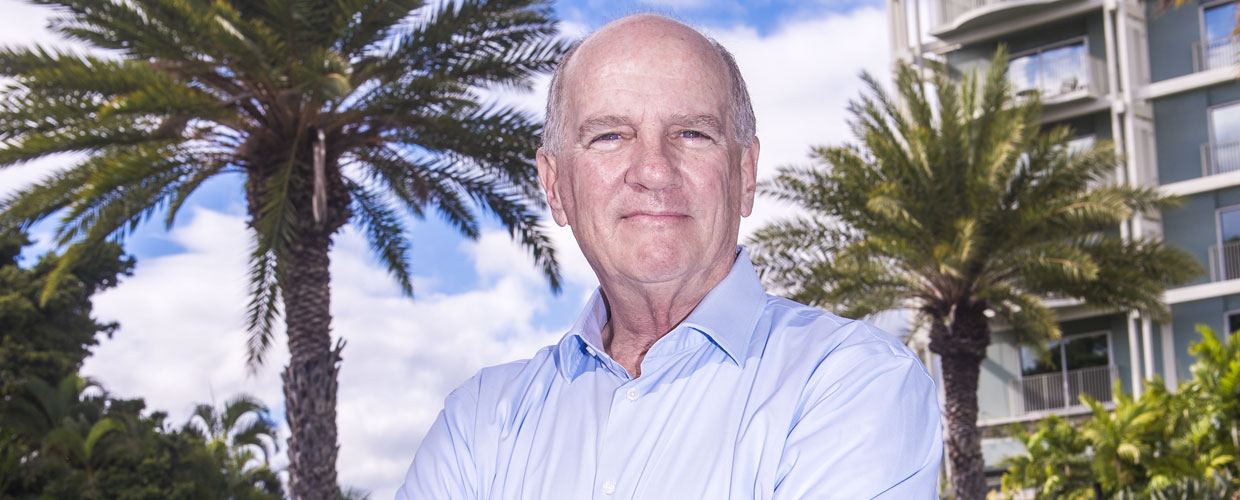
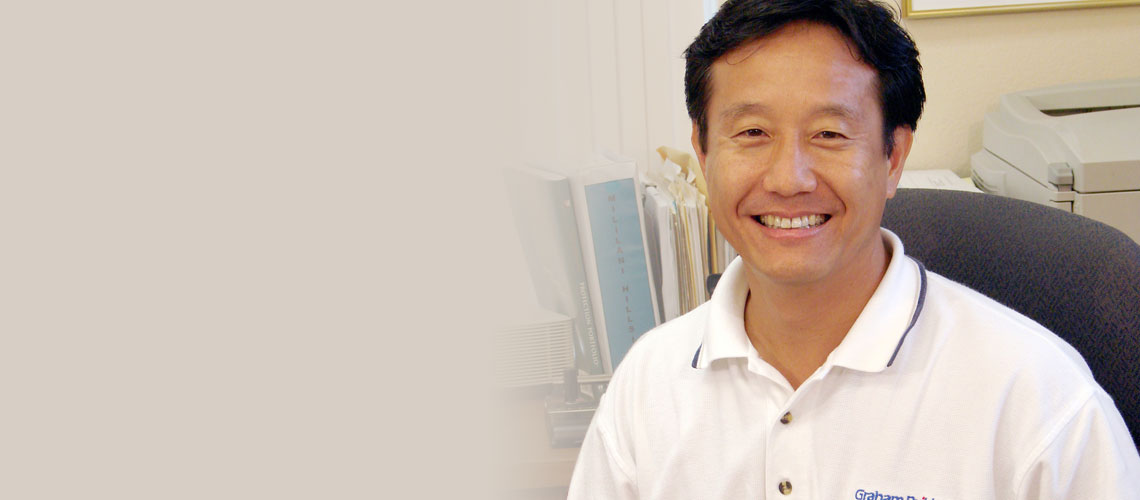
Savan Patel has some “big, hairy, audacious” goals for Infinium Interiors. He dreams of expanding his corporate furniture business from commercial to residential design and is looking to expand operations to the mainland and Southeast Asia. He also aims to triple sales in the next two years.
They’re ambitious goals for a company that was potentially a recipe for disaster. Patel only had a few years of experience in the industry and financed the endeavor with a good chunk of his own retirement savings. Yet his leadership and business strategies have brought the company success in the three years since it was founded.
“You’ve got to sacrifice early and just go off and do it,” Patel says. “Because the longer you wait, the more stuck you’re going to be in your ways. I think it’s now or never. You have to wake up and you have to be excited about something every day.”
Patel didn’t grow up dreaming of owning a commercial furniture business. Instead, he spent nearly 15 years in the U.S. Navy and rose to chief of the boat—the highest enlisted rank—on fast-attack submarines.
Unfortunately, a DUI arrest and charge derailed his career. He left the Navy with a “huge black mark” and no clear career path.
“When something like that happens, the world just collapses,” Patel says. “You wonder how you’re going to be able to get through it. But I think the most important lesson that I learned from that was accountability. I didn’t try to get out of it. I didn’t make any excuses about it. And I think that really did help as I moved forward from it.”
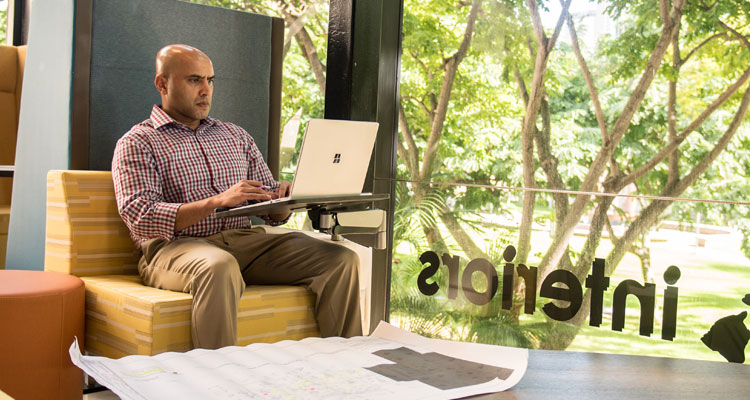
On unfamiliar ground away from the military, Patel briefly considered being a defense contractor before he decided to take a random leap into the office furniture business. He worked for a local company for three years before deciding to branch off on his own. Patel started Infinium—an amalgamation of the words infinity and continuum—out of his 600-square- foot condo while studying for his MBA at the University of Hawai‘i at Manoa. Between his classmates in graduate school and his government and military connections, Patel had a solid network and was rewarded early on with some big contracts with The Hawaii Group and JN Group—affirmations that Infinium could thrive as a new face in a competitive local industry. “It showed that you can beat out your competitors even as an emerging business,” Patel says. “You just have to have the will.”
He admits there were hiccups along the way. Patel had leadership experience but not as a business owner, so he had to learn on the job. He realized it was better to outsource services like accounting and payroll than get caught up in the day-to- day minutiae that would have taken focus away from the business.
He learned the importance of clearly communicating expectations with employees and potential hires, and how the business’s cash-flow cycles affected the company.
“He’s a natural leader in the sense that he always wants to take charge and he’s always looking forward, thinking of new ideas, how to improve, how to be better,” says Ariel Moniz, the first of Patel’s four full-time and two part-time employees. “And he has a good work ethic. So the way he works, people want to follow.”
“It’s easy enough for me to just shout all the answers,” Patel says. “But people can’t grow if I keep giving them the answers, right? And I’ve got to make it a little hard for them and make it a little more challenging and I’ve got to get them to think on their own. It’s important for people to understand that they’ve got a lot of stake in the game, whether they realize it or not.”
For Infinium Interiors, the objective of the game is to set itself apart in the commercial furniture industry with its attention to service. The company employs an interior designer to help clients create a space best suited for their needs.
Patel says he plans to tap the residential furniture market, working with developers to furnish the micro units that are starting to pop up in Hawai‘i. He is also looking to get into import-export opportunities with Southeast Asia, create a pre-owned furniture leasing model, expand to the mainland and potentially jump into some local, small-scale manufacturing. All in addition to widening its niche by delving into hospitality, education and health care.
Patel operates out of an all-glass office in Infinium’s 1,400-square- foot, design-centric space in Downtown Honolulu. One bears a scribbled reminder of his vision for the company—$10 million by year five, $20 million by year eight. “It’s aggressive, but we’re smart about it,” Patel says with a smile. “I realize these are numbers on the board that anybody can throw up, so there’s got to be a good strategy behind it to get us there.”

Hawai‘i’s construction industry has seen tremendous growth over the past few years. As contractors wrap up work on the first wave of mixed-use residential and commercial towers in Honolulu, the cranes are already moving on to other sites to begin again. ADUs are popping up in suburban neighborhoods and more master-planned communities are on the way in central O‘ahu. In this issue, the state’s construction industry leaders weigh in on good design and 2017 industry outlooks.